Your Complete Breakdown for Successful Home Remodeling Projects Using Skilled Builders
Home remodeling can be an overwhelming task, often burdened with unanticipated challenges. A carefully structured approach is crucial for success. By using a methodical checklist, homeowners can overcome the complexities of the process. From outlining goals to appointing the right builders, each step plays a significant role. Understanding these elements will set the foundation for a smooth and satisfying remodeling experience. What are the key steps to ensure everything goes according to plan?
Clarify Your Restoration Goals
What do homeowners truly want to achieve through renovation? For many, it revolves around enhancing functionality and aesthetics within their living space. Homeowners often aim to design an environment that reflects their personal style while enhancing usability and comfort. These objectives can differ greatly, from increasing storage capacity in a kitchen to converting a basement into a recreation space.
Some may stress boosting the home's market value, seeking a profit through deliberate renovations. Others focus on tackling specific issues, such as outdated fixtures or poor spatial design. Creating clear remodeling goals is vital, as it directs decisions throughout the process. Homeowners should evaluate their living requirements, the architectural integrity of their home, and long-term aspirations, ensuring that the remodeling project aligns with their vision. By defining these objectives early on, they can establish a solid foundation for an effective remodeling experience.
Form a feasible financial allocation
Establishing a realistic budget is crucial for any renovation project, as it directly affects the scope and quality of the work. Homeowners should begin by assessing their financial situation, taking into account reserves, earnings, and potential financing options. A thorough budget should encompass costs for materials, workmanship, licenses, and unforeseen costs, typically setting aside an additional 10-20% for emergencies.
Next, homeowners should focus on their renovation objectives, separating must-haves and nice-to-haves, which can help in allocating funds efficiently. Investigating average costs for similar projects in the area can offer useful information into fair costs.
Finally, communication with professional builders is essential; they can offer estimates and recommendations that align with the established budget. By approaching the budgeting process carefully, homeowners can ensure their remodeling project remains financially feasible while achieving the desired outcomes.
Analyze and Gather Inspiration
As occupants embark on their home improvement journey, researching and collecting inspiration is an essential step that can greatly impact the design and functionality of their space. This phase allows them to investigate various design options, building materials, and layouts that suit their vision. Making use of platforms such as Pinterest, Instagram, and home improvement websites offers a wealth of ideas and examples. Homeowners are encouraged to develop mood boards or collect images that resonate with their desired aesthetic.
Moreover, exploring local display centers or model homes can deliver tangible insights into how various components work in harmony. Interacting with networks, whether online or in-person, can also inspire new ideas and encourage exchanges about creative approaches. By investing time in investigation, homeowners can determine their preferences, confirming that their final design captures their unique preferences and addresses their everyday requirements. This foundational step will considerably enhance the overall remodeling experience.
Establish a thorough Timeline
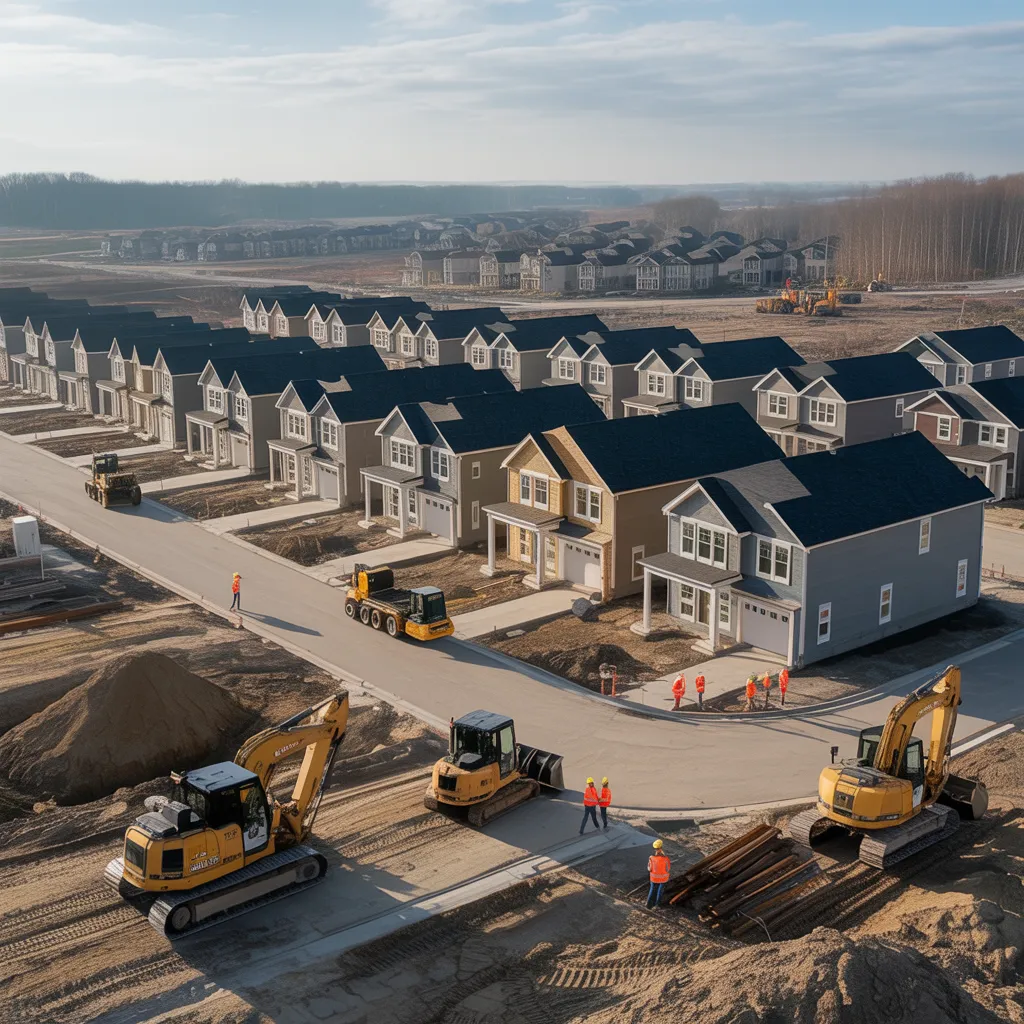
Establishing a detailed timeline is important for property owners to oversee their renovation initiative properly, making certain that each stage is completed on time. A well-organized schedule outlines all phases of the renovation, beginning with initial design consultations to the final assessment. Homeowners should start by identifying key milestones, such as approvals, design sign-offs, and sourcing of materials.
Next, they ought to set practical deadlines for each task, accounting for potential delays and resource accessibility. Adding contingency time can help minimize unforeseen issues, such as weather-related setbacks or supply chain disruptions.
Regularly reviewing and updating the schedule during the project will keep all parties updated and accountable. Effective communication with involved stakeholders is crucial, as it promotes teamwork and minimizes misunderstandings. By adhering to a thorough timeline, homeowners can manage their renovation process with increased confidence and understanding, ultimately achieving their intended outcomes.
Find the Proper Professional Builders
Picking the proper professional builders is an essential step in the remodeling process that markedly shapes the results and timeliness of your project. To begin, homeowners should search for builders who have a excellent name and long background with the specific type of remodeling they intend. Examining internet testimonials, seeking referrals, and confirming credentials will furnish valuable insights about a builder's reliability and craftsmanship.
Additionally, it is important to hold interviews with potential construction professionals to gauge their communication skills, approach to project management, and desire to partner. Homeowners should request detailed estimates that outline components, labor, and deadlines to confirm clarity and eliminate unexpected costs. Finally, verifying coverage and certifications is essential, as it protects the homeowner from potential liabilities. By carefully appointing skilled contractors, homeowners can lay the groundwork for a prosperous home improvement project that achieves their desires and improves their residence.
Acquire Mandatory Licenses
When beginning any renovation work, obtaining necessary permits is vital to verify adherence with local building codes and requirements. This step guarantees that the project follows to protection standards and zoning regulations, ultimately shielding the homeowner from potential fines or legal issues. The kinds of licenses required can differ substantially based on the breadth of the project; typical licenses include load-bearing, power, water systems, and mechanical permits.
Property owners should start by engaging their local building department to understand precise guidelines and protocols. It is prudent to gather all pertinent files, such as project plans and professional credentials, to facilitate the permitting process.
Retaining qualified contractors can also ease this step, as they are often conversant with local regulations and can facilitate securing the necessary permits. By emphasizing this critical aspect of remodeling, homeowners can avert delays and validate the project's successful completion within the legal framework.
Relay Your Perspective Clearly
How can property owners ensure their remodeling project meets their expectations? The secret lies in transparent communication of their vision to the licensed builders. Homeowners must share their ideas, preferences, and must-haves explicitly. This includes covering design elements, materials, color schemes, and overall functionality. Utilizing visual aids like photos, sketches, or mood boards can significantly boost understanding between homeowners and builders.
Furthermore, it is essential for homeowners to establish priorities. By detailing what is most important to them, builders can focus on these elements during the remodeling process. Regular check-ins and updates throughout the project ensure that any potential misunderstandings are addressed promptly. Open dialogue encourages teamwork and fosters a productive relationship, ultimately leading to a successful outcome. By being proactive in dialogue, homeowners can help guarantee that the final result reflects their vision and meets their expectations.
Ready Your Home for the Construction process
When the renovation undertaking approaches, homeowners need to adopt proactive strategies to ready their residence for building work. Such preparation expedites the workflow while also reducing interruptions. Initially, decluttering the construction zones by removing personal items, furniture, and décor that might hinder progress or suffer harm is critical. Property owners must likewise designate a specific area where contractors can keep tools and materials, ensuring a secure and well-arranged setting.
Informing neighbors about the planned project is critical, as construction can be loud and disruptive. Additionally, keeping pets in a distinct space away from the work zone can prevent stress and accidents. Homeowners should also think about turning off utilities in specific areas if needed for safety. Finally, ensuring clear access points for construction crews will enable a better process and contribute to an streamlined remodeling experience. Adequate planning lays the groundwork for a successful project.
Observe improvement and sustain engagement

To assure a successful renovation initiative, homeowners must actively monitor progress through regular site visits. Establishing effective communication channels with contractors is crucial for resolving concerns and supporting prompt communication. Remaining involved helps maintain alignment with objectives and schedules.
Regular Site Visits
Ongoing site inspections are indispensable for property owners to effectively track the advancement of their renovation initiatives. By making regular site visits, homeowners can appraise the quality of craftsmanship and ensure that the initiative aligns with their aspirations. Such visits offer an opportunity to identify any issues early, facilitating timely resolutions before they become worse. Property owners can also confirm that goods are being used as laid out in the specifications, preserving their stake. Moreover, observing the progressive daily improvements can foster a richer knowledge of the renovation journey, empowering property owners make informed decisions. Ultimately, regular property inspections not only enhance project oversight but also sustain homeowner involvement in the remodeling of their living spaces.
Develop Active Exchange Channels
It is essential for homeowners to establish open communication channels to closely monitor the progress of their remodeling projects. Effective communication builds a collaborative environment between homeowners and builders, facilitating timely updates and feedback. Homeowners should plan regular check-ins, either in-person or through digital platforms, to evaluate project milestones and manage any concerns. Utilizing project management apps can support transparency, enabling all parties to track progress in real-time. Additionally, maintaining an open dialogue promotes builders to share information on timelines and potential challenges. By giving priority to communication, homeowners can ensure their vision is realized while staying informed and involved throughout the remodeling process. This strategic approach eventually leads to a smoother and successful project outcome.
Complete a Final Examination and Analysis
A final inspection is essential to verify that all aspects of the construction project meet expectations. Key areas should be scrutinized thoroughly to pinpoint any outstanding issues that may need attention. Quick handling of these complications can help to achieve a successful conclusion of the project.
Thoroughly examine critical areas
Thoroughly examining key areas during the completion inspection is crucial for guaranteeing that every detail of the renovation work satisfies expectations. Homeowners should prioritize vital areas such as kitchens, bathrooms, and living areas, evaluating finishes, fixtures, and installations. Attention should be paid to the quality of workmanship, ensuring that all elements conform to the agreed-upon plans. Checking for proper functionality of appliances, plumbing, and electrical systems is vital to verify that everything operates as intended. Additionally, reviewing paint quality, flooring installation, and trim details can uncover any necessary corrections. Engaging in this thorough examination fosters clear communication with builders and ensures that the completed project meets the homeowner's vision and standards before finalizing the remodel.
Address Critical Issues Promptly
Carrying out a closing inspection is important for fixing any outstanding issues that have arisen during the remodeling work. This step allows homeowners to inspect the completed work and recognize any deviations from the original plans. During the walkthrough, it is crucial to take notes on areas requiring attention, such as unfinished details, paint touch-ups, or installation errors. Homeowners should communicate these concerns directly with the builders to ensure clear communication and shared agreement. Quickly addressing these issues can avoid further complications and extra costs in the future. A thorough review not only ensures satisfaction with the completed project but also promotes a positive relationship between the homeowner and builders, setting the stage for future cooperation.
Often Posed Questions
How Do I Manage Unforeseen Costs During Renovation?
To confront unanticipated costs during remodeling, one should build a contingency budget, stress necessary work, interact honestly with contractors, and assess adjustable design alternatives to meet surprise expenses without weakening the overall project.
What Recourse should I Pursue if I'm Dissatisfied With the Work?
When unhappiness occurs, the party needs to communicate concrete concerns to the builders, requesting clarification and answers. Maintaining issue documentation and analyzing the contract can aid in resolving conflicts and confirming successful completion of the project.
How Can I Ensure My Home Remains Operational Throughout Remodeling?
To maintain a home's functionality during construction, one can create designated insightful guide living areas, establish a clear schedule with contractors, communicate regularly, and guarantee vital utilities like water and electricity continue without interruption throughout the renovation project.
What Protections or Coverage Should I Receive From Contractors?
Property owners should anticipate builders to deliver warranties addressing workmanship, materials, and structural integrity. Common guarantees extend from one to ten years, according to the scope of work, ensuring safeguards against defects and necessary repairs.
How Can I Find Materials That Work with My Style and Financial Constraints?
To choose selections that match individual preferences and budget, one should explore alternatives, evaluate costs, assess longevity, and seek expert advice. Test pieces can help imagine appearance, ensuring educated choices that balance beauty and budget limitations.